Medical, Breed, & Behavioral Requirements for All Guests
In order for us to service you & your dog, they must meet our medical & behavioral requirements. In general, we require all dogs be social, fixed after 6 months of age, and up-to-date on our required vaccines. All dogs must complete an Introduction Day prior to service so they can become familiar with our facility, staff, and routine.
If your dog is unable to meet our requirements for any reason, then unfortunately our facility may not be the right fit for you and your pup. Although it sounds demanding, our requirements are fairly standard for any socializing facility. These requirements help us maintain the health & safety of all our guests- including your dog!
If you’re in need of a clinic to make sure your pup is up-to-date on all their vaccine requirements, we are right next door to Dandy Acres Small Animal Hospital! After your dog has completed their Introduction Day, our staff can even ensure your pup gets their vaccines done during a daycare or lodging visit, just ask our staff upon check in.
Sometimes vet visits can be scary for dogs. If your dog has anxiety about going to see the vet but loves the Dog Lodge, then our staff can help! Our staff can accompany your dog to provide moral support & a friendly face. Regulars for Daycare can add on a Happy Visit where they brave the vet clinic for cuddles & treats from vet staff, which can make the clinic a positive environment as well!
✳︎
Vaccine Requirements
✳︎ Vaccine Requirements
Puppy Vaccine & Medical Requirements
We start servicing puppies once they reach 16 weeks of age, so long as they complete the following vaccines. Click on the item to read why we require this vaccine at our facility.
Under 1 year of age-
Rabies causes neurological signs and death. It is transmitted through the bite of infected animals, most common source is from bats and other wild animals and can be Zoonotic (meaning it can be transmitted to humans through the bite of an infected animal).
Legally, the Rabies Vaccine is required by state law for dogs and local law for dogs and cats. It is also required for us to handle guests in our care.
-
The Distemper vaccine is often paired with at least 3 other vaccines and listed as DHPP, DAPP, or another acronym usually starting with a D. If you are unsure if your dog has their Distemper vaccine, you can ask your vet or our staff when we review your vaccines. The four diseases this series protects against are Distemper, Adenovirus, Parvovirus, and Parainfluenza. Sometimes this series is also paired with the Lepto vaccine, which we detail in the next section.
Distemper can cause fever, runny eyes and nose, coughing, vomiting, lethargy and neurological signs such as twitching, seizures or paralysis. It is often fatal, though if the pet survives will often have permanent neurological symptoms. The virus can be found in wildlife and other dogs. It can be spread through exposure to droplets from sneezing or coughing, shared food and water bowls.
Adenovirus (also known as canine hepatitis) causes fever, vomiting, diarrhea, lethargy, hepatitis, bleeding disorders, damage to the kidneys. This disease is often fatal and is spread through contaminated feces.
Parvovirus causes severe vomiting, diarrhea, lethargy and death. It is highly contagious and is transmitted through the stool. The virus can live in the environment for months, resistant to most disinfectants. Because of this, it can also be transmitted on clothing, toys, or environment.
Parainfluenza causes coughing, runny nose and eyes. It is spread through respiratory droplets from infected animals.
-
Leptospirosis causes fever, kidney and liver failure. It is spread through water contaminated by infected urine from wild life or other infected pets. This virus is also zoonotic- meaning it can be spread to humans through infected urine.
We require this vaccine because there are higher incidence rates in the state of Michigan.
-
This vaccine is recommended for dogs that have exposure to other dogs: boarding, dog parks, training classes, grooming, etc. The Bordetella virus causes coughing, runny nose and eyes. Some pets may develop pneumonia if infection is severe. Similar to the common cold with humans, it is spread through respiratory droplets.
This vaccine greatly lessons the chance of your pet contracting the Bordetella virus, but just like with the flu vaccine for people, there is always a small chance they will still contract the illness.
-
This vaccine is recommended for dogs that have exposure to other dogs: boarding, dog parks, training classes, grooming, etc. CIV is less common than Bordetella, but has had multiple outbreaks in the area over the last few years that greatly affected the animal industry. Due to this, we require it for all our guests.
Canine Influenza causes fever, coughing, lethargy, runny nose and eyes. Dogs may develop secondary bacterial infection, which can lead to more severe illness and pneumonia, can be fatal, though very rare. It is spread through nasal secretions and respiratory droplets. The virus can survive on surfaces, clothing, food and water bowls.
-
Intestinal Parasites are commonly transmitted through stool, trash, carcasses, stagnant water and the ground. From there, they can get on the paws and body of your pet and be transmitted when they groom themselves.
Human doctors don't often test human fecal samples, but that's because we wear shoes and don't put our nose to the ground, in the trash, or other contaminated areas!
Parasites can cause GI issues and some of these parasites are zoonoic to humans as well. We require yearly fecal tests to ensure that our environment is clear of parasites.
For puppies, we require two negative fecal tests in a row because these parasites can potentially lay dormant in the system, causing a false negative result.
-
There are multiple reasons why we require pets to be fixed, from behavioral reasons to medical.
Behaviorally, unfixed animals may have a harder time socializing appropriately. Their hormones can be unregulated, causing unstable behaviors that can include excessive mounting, challenging behaviors, and more. For female dogs, being unfixed throughout their life gives them an increased risk of pyometra later in life.
While some large breed dogs may do better being fixed at one or two years of age, there's one big reason we require dogs to be fixed at 6 months...
The biggest reason we require pets to be fixed by 6 months of age is simply because we do not want to risk any dogs becoming pregnant at our facility. There is a homeless animal crisis in our country, the last thing we need is unwanted and unplanned litters! Although we are supportive of pet owners making the best decisions for their pets in terms of when to fix them, many dogs become fertile before a year of age. Because of this, we require they be fixed at 6 months to socialize at our facility
-
This blood test checks to see if your dog is clear of Heartworm disease. Heartworm disease can be deadly can be transferred between dogs through mosquitos and other pests. Puppies at the Lodge are not required to have a negative heartworm test until they are 9 months of age.
Even if your dog is an indoor house dog, they are at risk for Heartworm disease! Because we are a social environment, we require all our dogs be tested for Heartworm disease annually. We also require dogs be current on Heartworm prevention for extra safety.
Adult Dog Vaccine & Medical Requirements
We accept dogs of any age, however dogs 8+ may be required to be in our Specialized Senior Care program. Regardless of personal age, for dogs 1+ year we require the following vaccines. Click on the item to read why we require this vaccine at our facility.
Over 1 year of age-
Rabies causes neurological signs and death. It is transmitted through the bite of infected animals, most common source is from bats and other wild animals and can be Zoonotic (meaning it can be transmitted to humans through the bite of an infected animal).
Legally, the Rabies Vaccine is required by state law for dogs and local law for dogs and cats. It is also required for us to handle guests in our care.
-
The Distemper vaccine is often paired with at least 3 other vaccines and listed as DHPP, DAPP, or another acronym usually starting with a D. If you are unsure if your dog has their Distemper vaccine, you can ask your vet or our staff when we review your vaccines. The four diseases this series protects against are Distemper, Adenovirus, Parvovirus, and Parainfluenza. Sometimes this series is also paired with the Lepto vaccine, which we detail in the next section.
Distemper can cause fever, runny eyes and nose, coughing, vomiting, lethargy and neurological signs such as twitching, seizures or paralysis. It is often fatal, though if the pet survives will often have permanent neurological symptoms. The virus can be found in wildlife and other dogs. It can be spread through exposure to droplets from sneezing or coughing, shared food and water bowls.
Adenovirus (also known as canine hepatitis) causes fever, vomiting, diarrhea, lethargy, hepatitis, bleeding disorders, damage to the kidneys. This disease is often fatal and is spread through contaminated feces.
Parvovirus causes severe vomiting, diarrhea, lethargy and death. It is highly contagious and is transmitted through the stool. The virus can live in the environment for months, resistant to most disinfectants. Because of this, it can also be transmitted on clothing, toys, or environment.
Parainfluenza causes coughing, runny nose and eyes. It is spread through respiratory droplets from infected animals.
-
Leptospirosis causes fever, kidney and liver failure. It is spread through water contaminated by infected urine from wild life or other infected pets. This virus is also zoonotic- meaning it can be spread to humans through infected urine.
We require this vaccine because there are higher incidence rates in the state of Michigan.
-
This vaccine is recommended for dogs that have exposure to other dogs: boarding, dog parks, training classes, grooming, etc. The Bordetella virus causes coughing, runny nose and eyes. Some pets may develop pneumonia if infection is severe. Similar to the common cold with humans, it is spread through respiratory droplets.
This vaccine greatly lessons the chance of your pet contracting the Bordetella virus, but just like with the flu vaccine for people, there is always a small chance they will still contract the illness.
-
This vaccine is recommended for dogs that have exposure to other dogs: boarding, dog parks, training classes, grooming, etc. CIV is less common than Bordetella, but has had multiple outbreaks in the area over the last few years that greatly affected the animal industry. Due to this, we require it for all our guests.
Canine Influenza causes fever, coughing, lethargy, runny nose and eyes. Dogs may develop secondary bacterial infection, which can lead to more severe illness and pneumonia, can be fatal, though very rare. It is spread through nasal secretions and respiratory droplets. The virus can survive on surfaces, clothing, food and water bowls.
-
Intestinal Parasites are commonly transmitted through stool, trash, carcasses, stagnant water and the ground. From there, they can get on the paws and body of your pet and be transmitted when they groom themselves.
Human doctors don't often test human fecal samples, but that's because we wear shoes and don't put our nose to the ground, in the trash, or other contaminated areas!
Parasites can cause GI issues and some of these parasites are zoonotic to humans as well. We require yearly fecal tests to ensure that our environment is clear of parasites.
-
This blood test checks to see if your dog is clear of Heartworm disease. Heartworm disease can be deadly can be transferred between dogs through mosquitos and other pests. Puppies at the Lodge are not required to have a negative heartworm test until they are 9 months of age.
Even if your dog is an indoor house dog, they are at risk for Heartworm disease! Because we are a social environment, we require all our dogs be tested for Heartworm disease annually. We also require dogs be current on Heartworm prevention for extra safety.
✳︎
Breed Requirements
✳︎ Breed Requirements
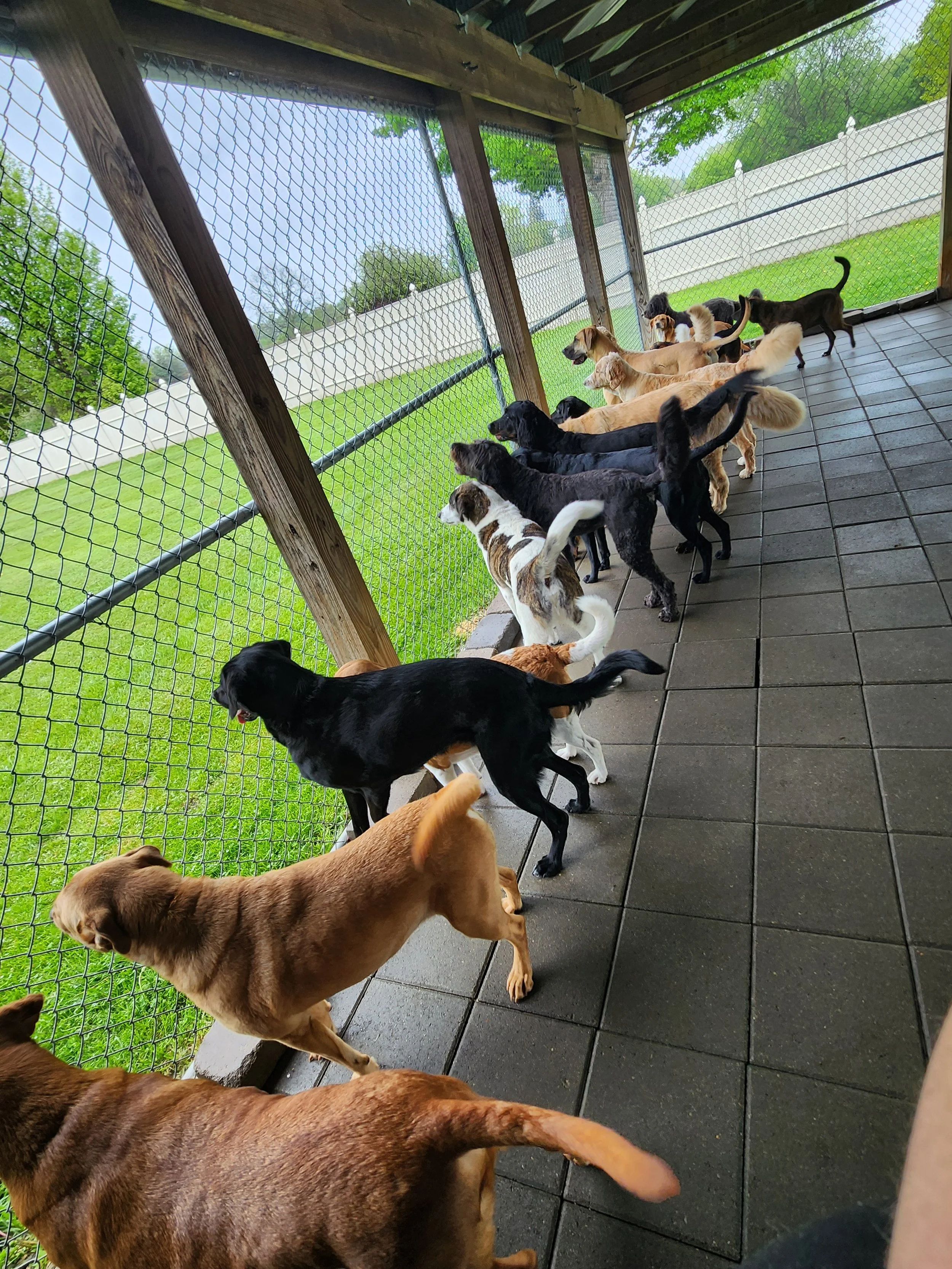
Although we love all dogs at The Dog Lodge, we do have some limitations on the breeds that we can accommodate. This is due to the fact that we only have 2 play areas for our medium & large dogs and “Power Breeds” have a very intense play style that can be intimidating to other dogs, causing a reaction. We do not socialize some of the powerful breeds which include, but are not limited to:
Belgian Malinois
Mastiffs
American Bulldogs
Pitbull Terriers
Staffordshire Terriers
Bull Terriers
Rottweilers
Wolf cross dogs
and/or mixes of these breeds
We apologize for the inconvenience, but we have determined that we are not designed to properly handle these powerful breeds of dogs with our limited playgroup areas.
✳︎
Behavior Requirements
✳︎ Behavior Requirements
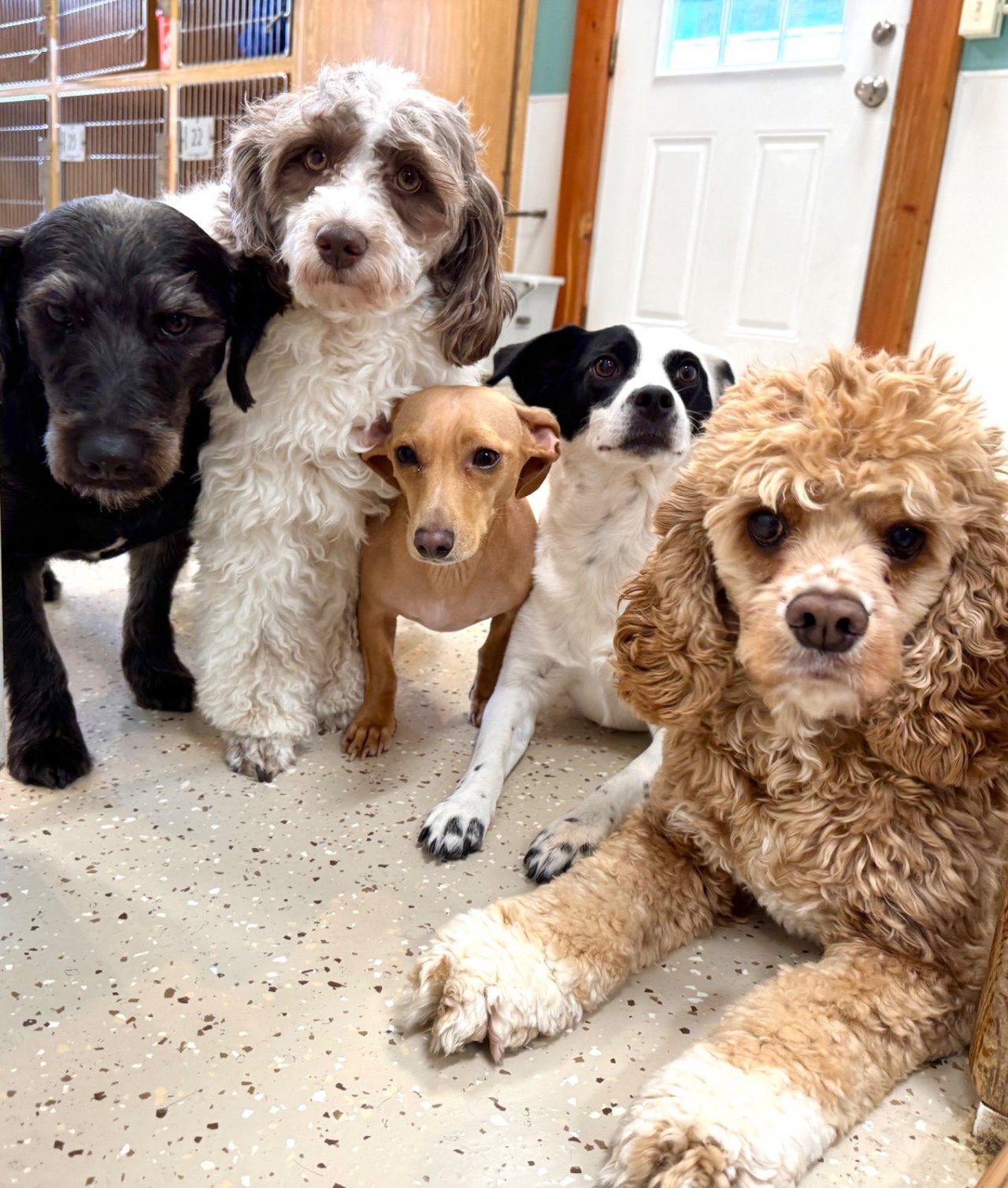
We are a fully socializing facility, even for our Specialized services, so we are unable to take dogs who are unsocial or aggressive towards people or other dogs.
A social dog does not need to actively play with other dogs in group or be best friends with every dog they meet, they just need to mingle comfortably with other dogs.
Beyond being social, we also aim for every dog to be comfortable in our environment. Stress & anxiety is not only emotionally distressing for your dog, it can actually weaken their immune system and trigger medical issues. Due to this, we may require anxious dogs have as-needed anti-anxiety meds like Trazodone for their stays or require they come for more frequent visits with 1-on-1 time added on to help them get used to the environment.
We are able to help build some dog’s confidence if they are insecure in large groups or overactive areas, but this requires time, patience, communication and consistency for both our staff and the owners of the insecure dogs.